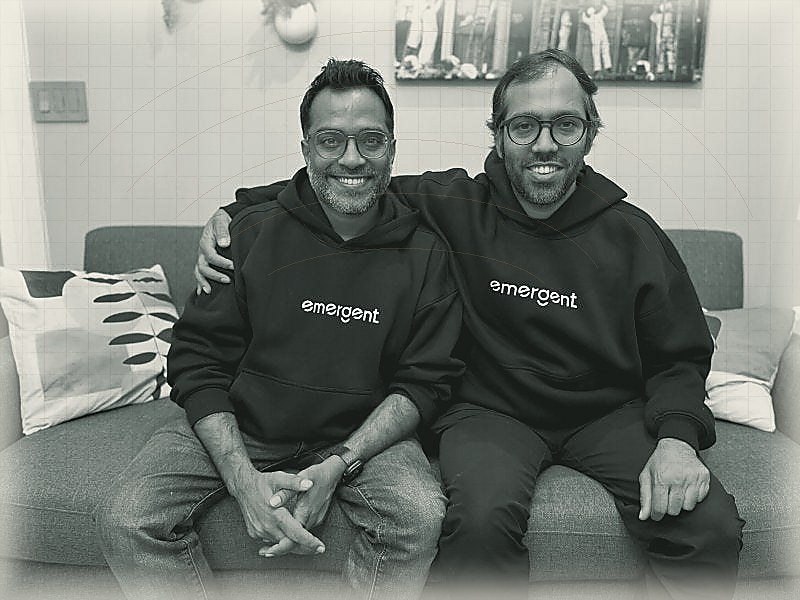
For most of human history, people were producers. Farmers, blacksmiths, masons, artisans, shopkeepers. Work was personal. Production was distributed. Then came the industrial age, and later, the software age. Factories and software platforms brought efficiencies, but also centralization of supply chains and production. Ownership shifted from individuals to institutions. From millions of tiny businesses to thousands of scaled companies. From producers to employees. From creators to consumers.
In 1900, nearly 50% of Americans were self-employed. By 1977, that number had dropped to just 7%. People stopped running their own shops and started working for Walmart. Or Microsoft. Or Google. This was the era of steady corporate jobs. We traded autonomy for a pension and a gold watch at retirement.
II. The software divide
The internet promised decentralization, but it paradoxically entrenched a few mega-platforms. The new “currency” of production — software — was too complex, too technical, too gated. It required years of training. Those without that training? They simply consumed. Building a business once meant having a product and a storefront. Now it means understanding authentication, cloud infrastructure, security, APIs, database design, and full-stack architecture. You had to be technical, or hire people who were. This was the great shift: not just from local to global, or analog to digital, but from producer to consumer.
Software ate the world. But only a small fraction of humans could write it. Everyone else adapted to using it.
III. AI — when intent meets capability
As people moved away from self-employment to corporate employment, a new implicit trust emerged between employee & employer: I take care of you, you take care of me. When my father started his career in India in the 70s, you often retired from the same job you began. This trust has been slowly eroding over the last half century. When I was starting my career in the 2000s, spending 5–10 years at a company was the norm. Today, people move between companies every few years. Some of the more “evolved” ones are now working 5–6 jobs in parallel :)
This erosion of trust has accelerated since the hyper-digital era of the last 10–15 years, and we are now witnessing a resurgence of self-employment on a global scale. Google searches for “freelancing” and “digital nomads” have skyrocketed since COVID. In the US alone, bootstrapped solo founders are now 39% of all founders, up from just 22% ~10 years ago.
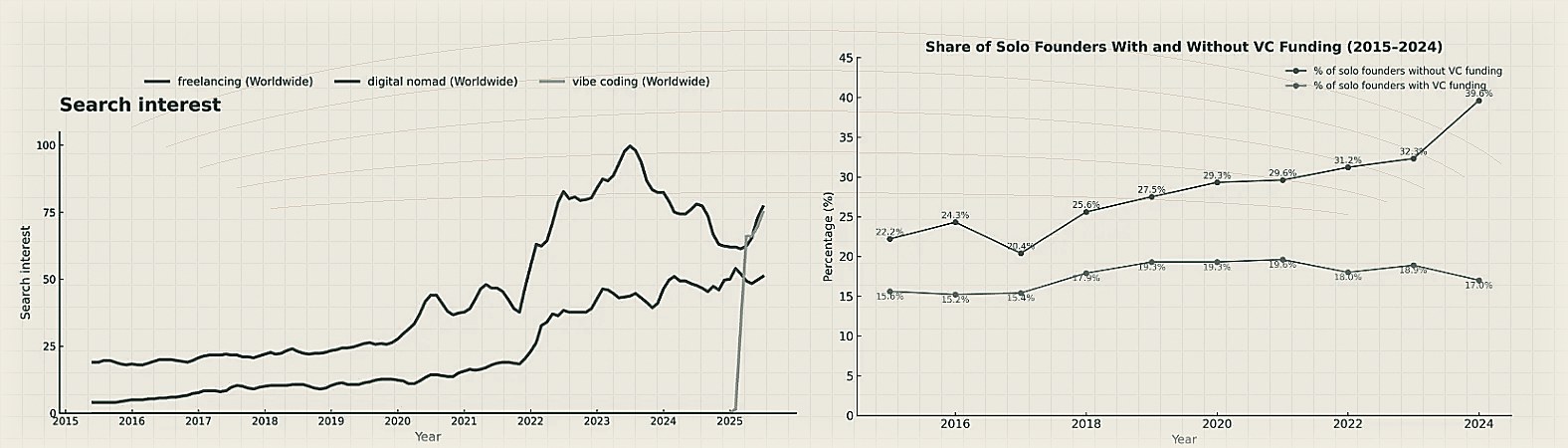
Thanks to the recent advances in AI, we’re now at a rare intersection. Two long arcs of history are converging:
- Intent: More people than ever want to be independent. They want to freelance, to build, to own, to escape the 9-to-5.
- Capability: For the first time, AI tools make this possible even if you can’t code.
IV. Why We’re Investing in Emergent
There are plenty of “vibe coding” platforms out there. We’re backing Emergent because it turns ideas into income. Think “Press to Ship” for software. Emergent handles setup, testing, security, compliance, hosting, and scaling. Non-coders go from prompt to live product to revenue without glue work or a bench of engineers.
We believe Emergent has taken some very interesting choices that are showing up in the data.
- Better token usage = Higher quality code
One of the most interesting and technically superior choices Emergent has made is to “spend more tokens up front thinking, planning, architecting”. Most AI coding agents aim to minimize compute and response time, often generating code in a single pass with limited validation, but this can sacrifice reliability. Emergent takes the opposite approach: it expends significantly more tokens and agent cycles per task to maximize code quality. Over the last several quarters, Emergent’s code-bug rate has come down from ~30% to <15%. This is much higher than the other tools in the category where >30–40% of the usage tokens are used to fix bugs introduced by the platform. Emergent’s agents perform planning, coding, testing, and even automatic debugging. For example, a QA agent continuously runs tests and patches any failing cases without human prompting. This thorough, multi-agent process yields a much higher reliability score for Emergent’s code output.
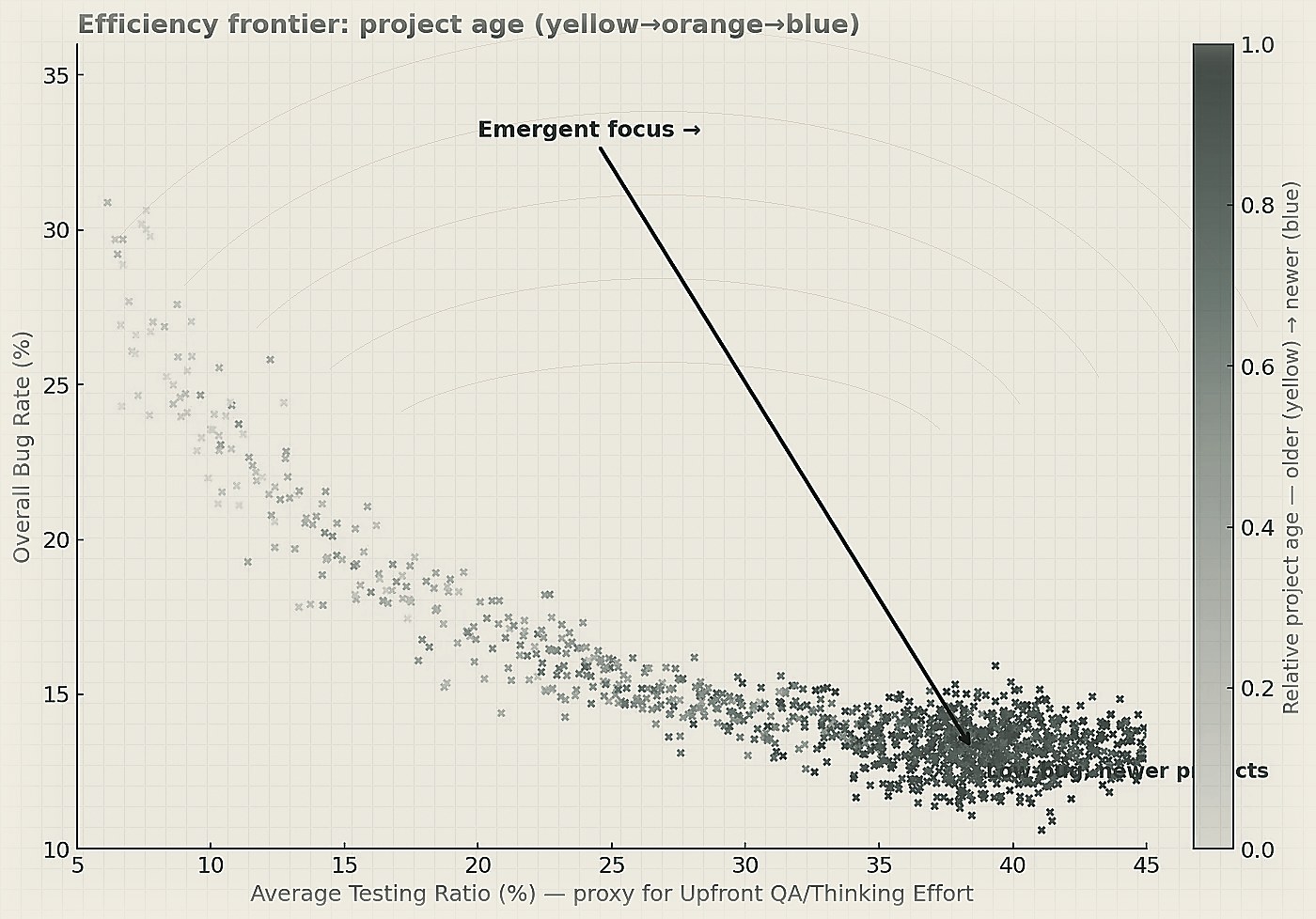
In essence, Emergent trades extra tokens (i.e. computing cycles) for higher code reliability and completeness. This is a critical distinction. A conventional AI coding assistant might slap together a web app login page with some placeholder code in a few seconds — impressive, but likely brittle. Emergent’s agentic system might take a bit longer and consume more tolens, but the end result is a fully fleshed-out app that adheres to best practices and actually deploys without falling apart. For a user, that difference is the gap between a throwaway toy and a usable product.
2. Focus on full-stack & production-ready apps vs just prototypes
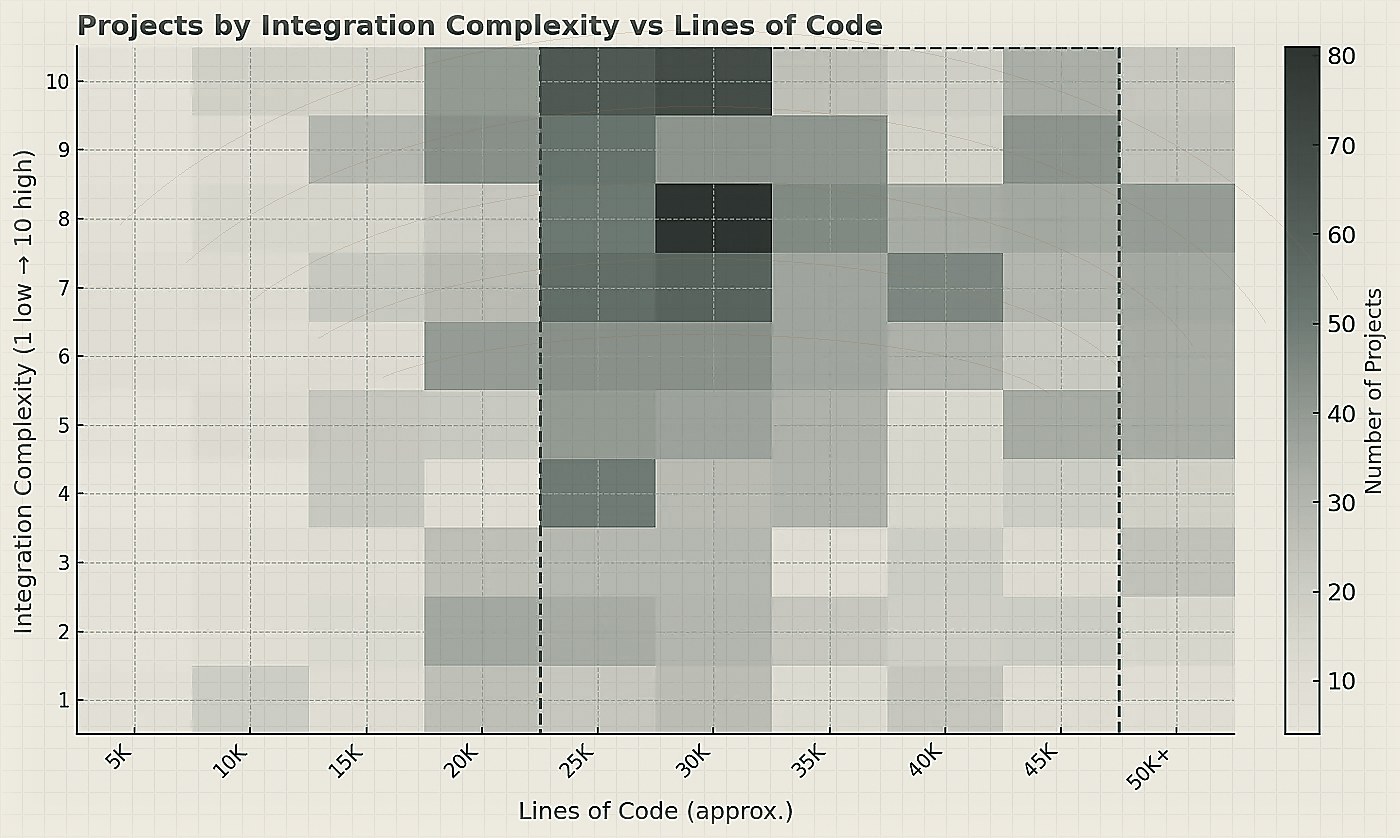
Most AI coding platforms today sit on the lower-left end of this heatmap: i.e., they minimize compute cost, spitting out code quickly but often with gaps and errors that need manual fixes, which by themselves consume more costs. Emergent deliberately pushes to the high end: it may consume more tokens on a given project, but in return the user gets an application that’s production-ready out of the box. In the long run, this is the winning formula. Users don’t want a pile of AI-generated code they must babysit; they want an app that works. The average code-base on Emergent is ~35K vs ~5K for competing platforms. A typical code-base on Emergent has also complex integrations, backends etc, indicating that a typical Emergent project is far more advanced than a front-end only website, or a prototype.
3. Building an ecosystem for serious builders
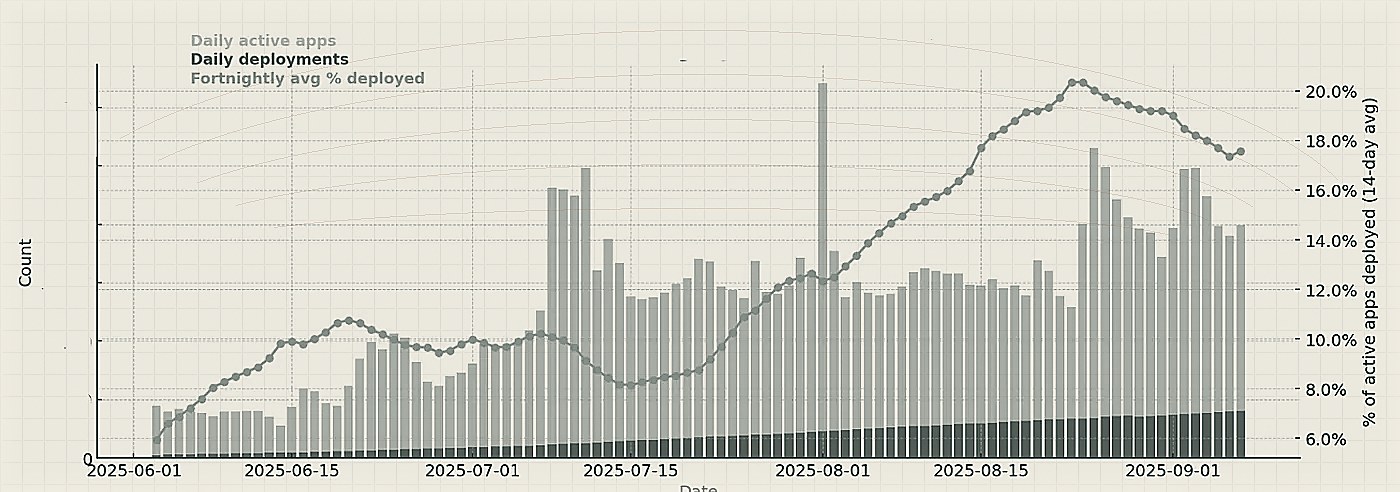
One of the clearest signs that Emergent’s ICP is composed of serious builders is the steady increase in the proportion of apps that move from “active” to “production.” Over the past three months, daily deployed apps as a share of daily active apps has risen from roughly 5% to over 20%. This means builders on Emergent aren’t just experimenting or tinkering, they are publishing, shipping, and putting their work into the hands of real users. The platform is becoming less of a sandbox and more of a production backbone, a place where ideas graduate into live businesses at an accelerating rate.
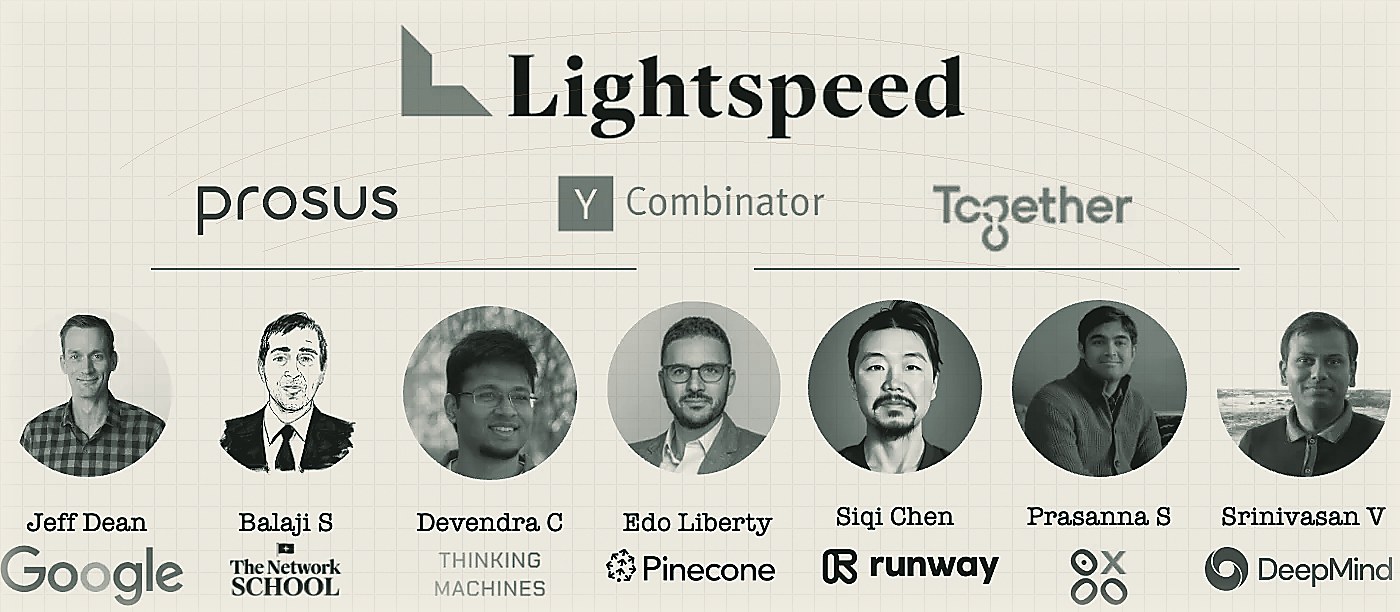
Software creation is no longer the privilege of the few. Just as the iPhone camera turned everyone into a photographer, platforms like Emergent are giving millions the ability to become software producers. The real story isn’t about code, it’s about agency: enabling individuals to move from being passive consumers in the digital economy to active builders of it. Emergent is betting on this shift that the next wave of enduring companies will be built not by large incumbents, but by thousands of serious entrepreneurs who finally have the tools to ship. We are excited and privileged to go on a journey with them together with a world class set of AI angels including the legendary Jeff Dean (Google), alongside Balaji Srinivasan, Devendra Chaplot (Thinking Machines), Edo (Pinecone CEO), Prasanna (ex Rippling founder), and others.
No comments yet.